
Olympics: Rio de Janeiro getting ready for its turn
First time Olympics held in a majority black nation

AFP
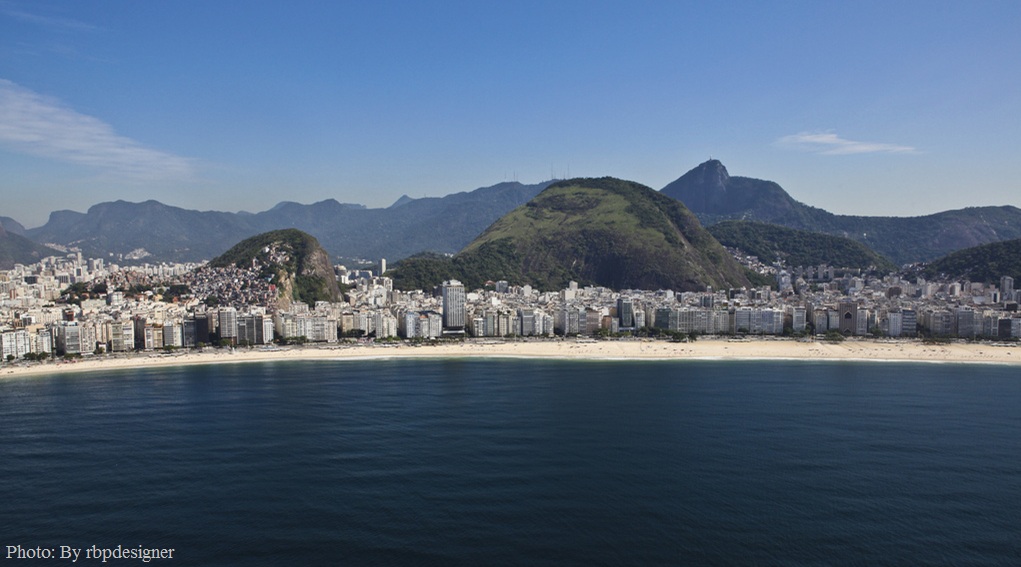
RIO DE JANEIRO- Known for its idyllic beaches and carnival, Rio officially assumes the mantle of Olympic city on Sunday, facing an uphill struggle in taming traffic gridlock, poor infrastructure and slum violence to stage the 2016 Olympics.
With the end of the 2012 Games, London hands over the Olympic banner to Rio as the next Games host city.
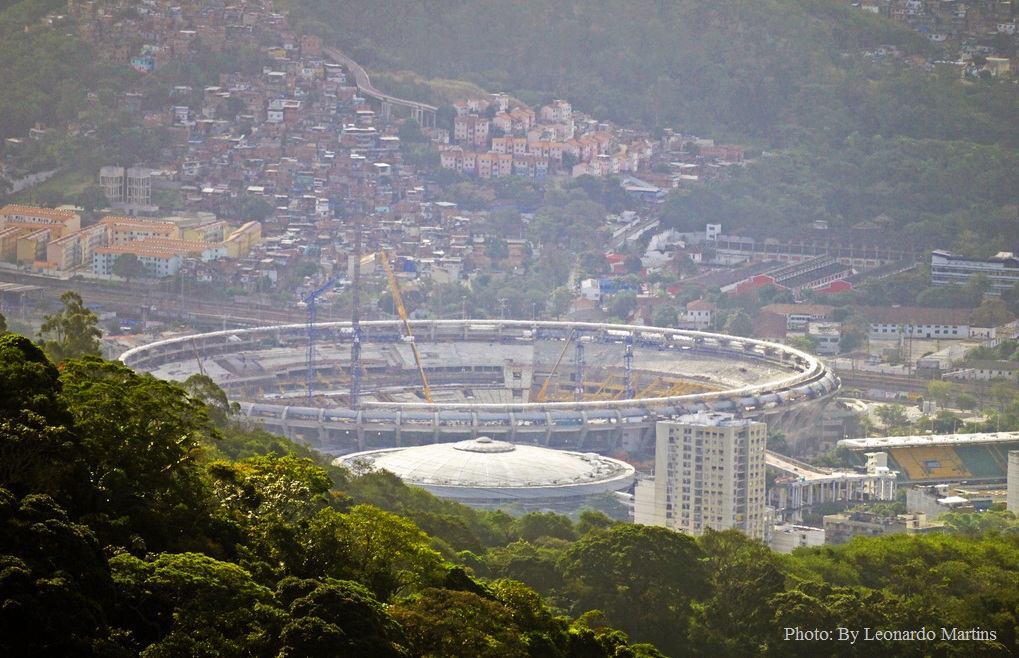
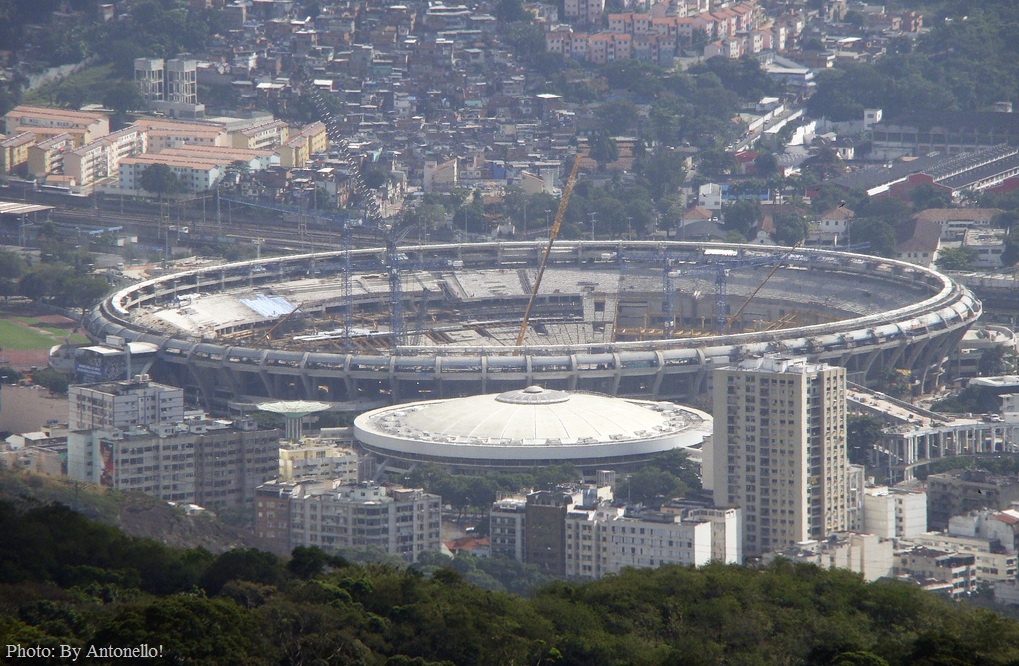
The Brazilian Olympic Organizing Committee and city authorities insist that all the planned infrastructure projects have already begun, although the Olympic village that will welcome some 14,000 athletes and the Olympic park that will host nine events have yet to get off the ground.
There is still no executive master plan and no clarity about how much staging the world’s biggest sporting event will cost.
The major challenges, according to experts, are transportation, infrastructure and accommodation.
This city of 6.5 million people expects to welcome more than a million tourists and more than 10,500 athletes over 15 days but will have only 34,000 hotel rooms for 2016.
And it is notorious for its massive traffic jams.
Some of the infrastructure projects for the 2016 Olympics will be ready for the 2013 FIFA Confederations Cup and the 2014 World Cup Brazil is due to stage, but much work still remains undone.
“Now we are really going to take the measure of the complexity of organizing an event such as the Olympics,” marketing analyst Erich Beting told AFP.
“Over the past three years, we have not really focused on beginning the construction of the Olympic city… and in creating the necessary infrastructure.”
Leonardo Gryner, director general of the Rio 2016 organizing committee has admitted that his main worries are transport and hotels.
There are plans to extend a metro line until the Barra da Tijuca district in the western sector and four express lanes for buses and cars are also under construction.
Many of the urban transit projects “are generally running behind schedule and the government is aware that some of the projects will not be ready in time for the 2014 World Cup, and some not even for the 2016 Olympics,” said Carlos Campos, an economist and analyst at the Applied Economics Research Institute.
Gryner said about 47 per cent of the sports installations needed for the Games already exist, including some built for the 2007 Pan American Games.
About 28 per cent will be new and 25 per cent such as the grandstands on Copacabana beach for the beach volleyball competition will be temporary.
Rio Mayor Eduardo Paes, who is seeking re-election in October, said the deadline for infrastructure projects was being met.
But he added that the total cost was not known.
“It can vary. We will only begin to disclose the costs of the Rio Olympic Games once we have an executive project ready,” Paes said.
When the city put forward its candidacy, it forecast investment of 28 billion reals (US$14.4 billion) — 23.2 billion real in public and private resources and 5.6 billion real from the Organizing Committee.
Once considered one of the most violent South American cities, Rio today is considerably more secure since authorities launched a drive in 2008 to wrest control of dozens of slums from drug traffickers.
Nearly 150 of the total 750 favelas have been pacified by the military or police.
However, “Rio is a violent city compared with those in Europe, the United States or regional capitals,” Ignacio Cano, a researcher at the Violence Analysis Center of Rio State University.
President Dilma Rousseff expressed hope that the Games will be a boon for the country.
“We want the best possible legacy from the Games for Brazil, both from a sports point of view and in terms of a better infrastructure and quality of life for the population,” she added at the London Games.
______________________________________________
Video: Rio de Janeiro readies for 2016
____________________________________________
Video: Rio de Janeiro constrution for the 2016 Olympic games
____________________________________________


____________________________________________
Brazil census shows African-Brazilians in the majority for the first time
50.7% of Brazilians now define themselves as black or mixed race compared with 47.7% whites
Tom Phillips
Guardian UK
For the first time since records began black and mulatto mixed race people form the majority of Brazil’s population, the country’s latest census has confirmed.
2010 census show that 97 million Brazilians, or 50.7% of the population, now define themselves as black or mixed race, compared with 91 million or 47.7% who label themselves white.
The United States has 40.63 million black people.
The proportion of Brazilians declaring themselves white was down from 53.7% in 2000, when Brazil’s last census was held.
But the proportion of people declaring themselves black or mixed race has risen from 44.7% to 50.7%, making African-Brazilians the official majority for the first time.
________________________________________
Video: Brazilian black and mixed-race mulatto people discriminated
_____________________________________________
Video: Brazil not a racial democracy
_________________________________________
______________________________________________
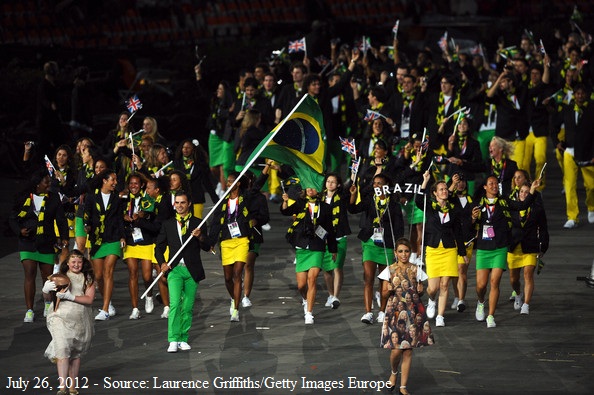
2012 Olympic Games – Opening Ceremony

____________________________________________
Sao Paulo’s Unipalmares University is named after Zumbi dos Palmares, who led a community of runaway enslaved Africans in what is now the Brazilian state of Alagoas
BBC News
Unipalmares, as it is known for short, was founded in 2003 as a private black college in the run-down Sao Paulo district of Luz.
With its utilitarian classrooms and its array of desktop computers, it could be any Brazilian academic institution.
But uniquely, it reserves 50% of its places for black students, reflecting the fact that roughly half the country’s 183 million people have enslaved African as forefathers.
Affirmative action
Brazil has more people with black ancestry than any other country outside Africa. But there are very few black people in the higher echelons of society, including government, Congress and top posts in the civil service and armed forces.
________________________________________


 Dilemma X
August 12, 2012
Athletics, International